
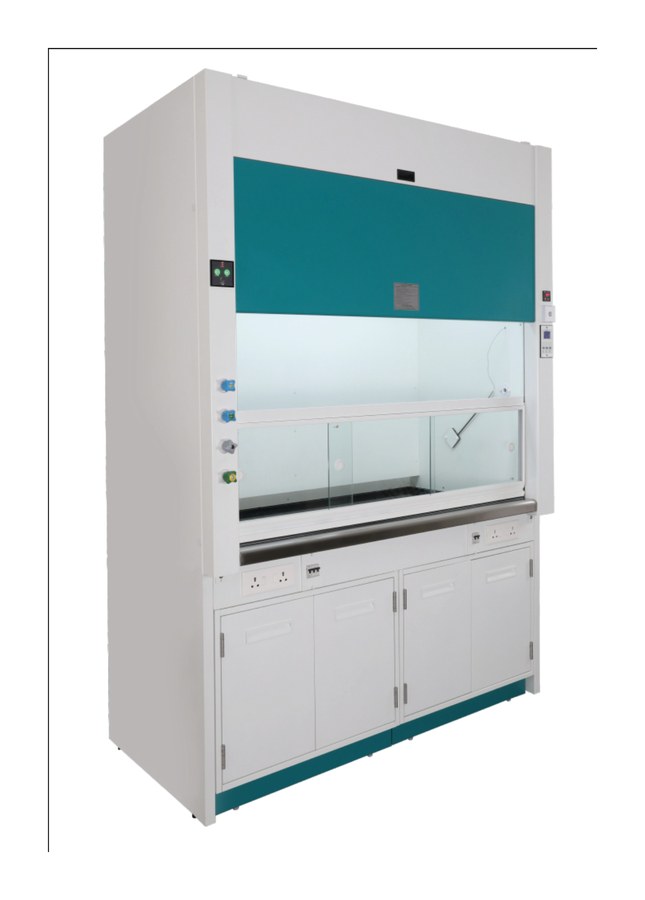
Everything you need to know about SEFA 1 and SEFA 8 standards for laboratory fume hood installation and performance.
Why SEFA Standards Matter
The Scientific Equipment and Furniture Association (SEFA) publishes voluntary consensus standards for laboratory equipment that have become the de facto reference in the laboratory furniture industry. For fume hoods specifically, SEFA 1 (Duct Fume Hoods) and SEFA 8 (Suggested Practices for Fume Hood Installation) are the key documents.
SEFA compliance ensures your fume hood will perform as intended — protecting laboratory personnel from chemical vapors, gases, and particulates.
Types of Fume Hoods
- Ducted fume hoods: Connected to the building HVAC system. Air is exhausted outside. Required for work with highly toxic, volatile, or odorous chemicals. Most common in research and QC labs.
- Ductless (recirculating) hoods: Use carbon filters to capture vapors. Suitable only for low-hazard applications. Not recommended for pharmaceutical QC or work with unknown chemicals.
- Perchloric acid hoods: Special water-wash fume hoods for work with perchloric acid. Must not be used for any other purpose.
SEFA 1: Duct Fume Hood Performance
SEFA 1 defines acceptance criteria for fume hood performance testing:
- Face velocity: The recommended average face velocity at sash working height is 60–100 FPM (feet per minute). Too low = inadequate containment. Too high = turbulence that degrades containment.
- Face velocity uniformity: No single measurement should deviate more than ±20% from the average.
- Containment performance: ASHRAE 110 tracer gas test using sulfur hexafluoride (SF₆) to directly measure containment efficiency.
SEFA 8: Installation Best Practices
SEFA 8 covers ductwork design, exhaust fan placement, make-up air supply, and room air balance. Key requirements:
- Fume hoods should not be placed near doorways, air supply diffusers, or high-traffic areas where cross-drafts can disturb face velocity
- Make-up air must be supplied at a rate equal to or slightly less than hood exhaust to maintain slight negative pressure in the room
- Exhaust ductwork should be smooth-bore and as short and straight as possible — minimal bends reduce pressure drop
Procurement Through Upashna Enterprises
We supply SEFA-compliant ducted fume hoods in 4ft and 6ft widths with stainless steel or epoxy resin work surfaces. We coordinate with your civil/HVAC team for proper installation and can arrange third-party performance testing (ASHRAE 110) after installation.